
Lecanemab – a milestone in the fight against Alzheimer’s disease?
In this article, you will learn:
- how cognitive functions change as we age, and how these changes differ from those seen in Alzheimer’s disease
- what changes occur in the brain during the course of Alzheimer’s disease, and what role beta-amyloid, tau protein and the loss of synapses play
- What medicines are currently used in the pharmacological treatment of Alzheimer’s disease, and what are their limitations?
- How does lecanemab differ from existing treatments, and what is its mechanism of action targeting amyloid?
- Which patients can be treated with lecanemab, what is the dosage, and what efficacy results for lecanemab were obtained in the Clarity AD trial?
- what side effects may occur during treatment and why appropriate patient selection and monitoring are essential
- Why is the introduction of lecanemab also linked to the need to develop early diagnosis of Alzheimer’s disease?
About this publication
Abstract
The structural and functional changes occurring in the brains of older people correlate closely with the cognitive changes associated with the physiological ageing process (i.e. deterioration in memory, concentration and attention). Undoubtedly, these changes are significantly more pronounced during the course of Alzheimer’s disease (AD). Significant deficits in working memory in patients with AD make it difficult for them to carry out everyday activities and, over time, lead to their complete abandonment. Undoubtedly, this multifactorial disease represents a major health challenge of our time. The growing epidemiological significance of AD is directly linked to the global demographic trend of increased life expectancy and a rising number of elderly people. This condition places an enormous burden on both healthcare systems and on patients and their families. A landmark step in the pharmacotherapy of AD may be the European Commission’s decision in April 2025 to grant marketing authorisation for lecanemab – the monoclonal antibody mAb158 intended for the treatment of the early, the so-called prodromal stage of the disease. It is the first causative therapy in the EU targeting amyloid (ATT, amyloid-targeting therapies), which accumulates in the brains of patients with AD. The direct mechanism of action of lecanemab targets aggregated soluble and insoluble forms of beta-amyloid, which have been shown to be more toxic to neurons than monomers or insoluble fibrils.
Keywords
lecanemab, Alzheimer’s disease, cognitive impairment, amyloid, amyloid-targeted therapies
The prevalence of dementia
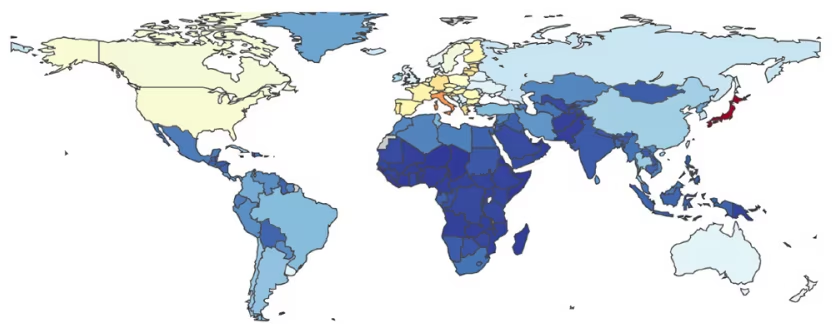
The proportion of older people in the world continues to rise steadily. According to data from the World Health Organisation (WHO), in 2020 the number of people aged 60 and over stood at around 1 billion, and by 2030 it is estimated that this figure will rise to 1.4 billion [1]. The phenomenon of an ageing population also affects our country. In Poland, by the end of 2023, the number of people aged 60 and over stood at as many as 9.9 million [2]. Estimates suggest that around 7 per cent of the population aged 60 and over suffer from Alzheimer’s disease (AD). Unfortunately, the prevalence of dementia, including Alzheimer’s dementia, increases with advancing age. Current demographic projections predict a threefold increase in the number of AD diagnoses by 2050. Consequently, it can be concluded that AD represents a major health challenge of the 21st century [3, 4].
Cognitive impairments
Cognitive impairment and Alzheimer’s disease
The ageing process is a physiological phenomenon that is often accompanied by changes in cognitive functioning. The severity of these changes can vary – ranging from typical, age-related physiological decline in cognitive abilities, through subjectively perceived deterioration, to clinically detectable mild cognitive impairment (MCI), which in some individuals (approx. 5–17%) may lead to the development of dementia [5]. Table 1 presents the clinical picture of cognitive impairment.
| AGE-RELATED COGNITIVE IMPAIRMENTS | MILD COGNITIVE IMPAIRMENT | APATHY | |
|---|---|---|---|
| Patient complaints | • deficits in cognitive functions, i.e. memory, concentration, thinking and comprehension• deficits in prospective memory (relating to carrying out tasks at a specific time and place in the future) • distractibility | • episodic memory impairment (the ability to remember and consciously recall events from one’s own life) • problems with concentration• occasional difficulties in orienting oneself in one’s surroundings | • severe memory problems • difficulties in organising and carrying out everyday tasks |
| Screening results | • normal; any deviations from the norm can be directly attributed to other causes | • a slight decline in performance | • abnormal results – below the cut-off point for the respective methods |
| Data from the medical interview conducted | • no noticeable problems | • difficulty carrying out complex tasks; able to remain independent only when performing simple activities | • difficulty carrying out simple and complex tasks |
| Neuropsychological assessment | • the results obtained are appropriate to the patient’s age and educational background | • mild cognitive impairments (amnestic/non-amnestic, generalised/selective) | • significant cognitive impairment, of a generalised nature, with predominant memory impairment |
| Difficulties in day-to-day life | • absent | • usually absent • in rare cases, patients may need prompts from those around them | • initially able to carry out simple tasks, but gradually losing the ability to look after oneself |
| Scope of care | • the patient does not require care and is independent | • the patient requires minimal assistance or supervision with more complex activities | • the patient requires supervision when carrying out daily activities |
Given the growing elderly population and the importance of cognitive functions in maintaining functional independence and effective communication with others, it is important to understand that these functions gradually deteriorate with advancing age. Cognitive impairment manifests itself in a reduced ability to divide attention, difficulties in acquiring new information, impaired verbal memory, reduced verbal fluency and deficits in executive functions. By contrast, semantic and procedural memory, as well as perception, are maintained at an adequate level in elderly patients [5, 6].
AD is an irreversible, gradually progressive neurodegenerative disorder of the central nervous system (CNS) [7, 8]. This condition is the most common cause of dementia worldwide; when mixed forms are taken into account, it accounts for almost 75 per cent of all diagnosed dementia syndromes. Although this condition is characterised by heterogeneity in terms of aetiopathogenesis and clinical presentation, in clinical practice the sporadic form is by far the most common, occurring mainly in patients over the age of 65, with episodic memory deficits being the predominant symptom. In Alzheimer’s disease, the neurodegenerative process usually begins many years, often even several decades, before the onset of clear clinical symptoms of dementia. This condition develops gradually, is progressive in nature, and its early symptoms can be difficult to detect both for those around the patient and for less experienced specialists. The first symptoms of AD usually include a decline in working memory, which significantly impairs the patient’s daily functioning. These impairments are referred to as episodic memory deficits and manifest as difficulties in acquiring and permanently retaining new information, as well as an inability to recall it later, even when prompted. Those closest to the patient often notice that the patient repeats the same questions, statements or stories, or performs certain actions repeatedly [8]. Mood, personality or behavioural changes may also develop rapidly in the course of this condition. Over time, patients also develop symptoms such as executive function impairment, aphasia (speech disorders), apraxia (impaired precision of purposeful movements in the absence of paresis, cerebellar symptoms or sensory disturbances) and agnosia (incorrect recognition of stimuli despite normal sensory function) [3, 9].
Initial state
Changes observed in the brain during the physiological ageing process in the course of AD
A healthy, and therefore properly functioning, adult brain contains billions of neurons, which communicate with one another via synapses, forming neural networks. Information from neurons is received by synapses located on the dendrites, then conducted along the neuron and passed on to synapses at the axon terminals. In these connections, known as synapses, information flows in the form of tiny bursts of chemical substances that
are released by one neuron and subsequently received by another. These signals form the basis of memories, thoughts, sensations, emotions, movements and skills [6, 9–10]. Unfortunately, both structural and functional changes occur in the brains of older people, which correlate directly with age-related cognitive changes (these include, amongst others, changes in neuronal structure without neuronal death, loss of synapses and dysfunction of neural networks) [6].
Numerous changes occurring in the brain may disrupt chemical signalling and thus lead to the development of cognitive impairments that arise in the course of AD. Researchers currently distinguish between two main hypotheses regarding the development of AD, namely the cholinergic hypothesis and the amyloid hypothesis. Changes observed within the brain in the course of AD include: the accumulation of fragments of the beta-amyloid (Aβ) protein in so-called nodules (also known as beta-) outside neurons, as well as the accumulation of an abnormal form of the tau protein (known as tau tangles) inside neurons. Aβ and the tau protein play different roles in Alzheimer’s disease. Plaques and smaller accumulations of Aβ can damage neurons, thereby disrupting neuron-to-neuron communication at synapses. Inside neurons, however, tau tangles block the transport of nutrients and other molecules essential for the proper functioning and survival of neurons, thereby also damaging the connections between them. The accumulation of Aβ and tau protein leads not only to damage and destruction of neurons (known as neurodegeneration), but also to damage to other brain cells [9]. Another characteristic change in the brain occurring in the course of AD is atrophy, namely a reduction in brain volume resulting, amongst other things, from the process of neurodegeneration. It should be borne in mind that the phenomenon of atrophy is also directly linked to the physiological ageing process. Nevertheless, in patients with AD, atrophy is significantly accelerated [6, 9].
Many studies carried out to date show that the loss of neurons during the physiological ageing process is confined exclusively to specific areas of the nervous system and does not exceed 10 per cent of the neurons found in young adults [6, 11–12]. The loss of cortical neurons is most pronounced in the dorsolateral prefrontal cortex and the hippocampus, whilst greater subcortical neuronal loss can be observed in the substantia nigra and the cerebellum. AD is associated with a significantly greater loss of neurons, particularly in the hippocampus and entorhinal cortex [6, 11–13]. It is worth noting that, unlike in AD, during the physiological ageing process a significant number of neurons merely alter their structure but do not die. Furthermore, synaptic loss is a key structural marker of ageing in the nervous system [6, 13–14]. The results of studies on dementia conducted to date suggest that symptomatic dementia occurs when there is a loss of at least 40 per cent or more of the synapses in the neocortex compared with healthy adults [6, 13]. Thus, neurodegeneration leading to atrophy, together with the accumulation of tau and Aβ proteins and the loss of synapses, are considered key factors underlying AD.
Treatment of AD
At present, there are only two classes of approved medicines for the pharmacotherapy of AD on the Polish pharmaceutical market, namely cholinesterase inhibitors (i.e. donepezil, rivastigmine) and N-methyl-D-aspartate (NMDA) antagonists (i.e. memantine), which are effective only in treating the symptoms of AD. Unfortunately, they neither treat the cause nor prevent the disease. In Poland, cholinesterase inhibitors are authorised for the treatment of mild to moderate dementia. Nevertheless, they are also used in later stages of the disease, although they are no longer covered by the reimbursement scheme. Memantine, on the other hand, is indicated for the treatment of moderate and severe forms of AD. Table 2 summarises the pro-cognitive drugs used in the treatment of AD [7].
| ACTIVE INGREDIENT | FORM OF THE MEDICINE | INITIAL DOSE | MAXIMUM DOSE | SERVING SUGGESTIONS | MOST COMMON SIDE EFFECTS | DOSAGE SCHEDULE |
|---|---|---|---|---|---|---|
| donepezil | • tablets• ODT tablets | • 5 mg per day• 5 mg per day | • 10 mg per day• 10 mg per day | once a day after a meal | • nightmares, bradycardia• headache• nausea• vomiting• diarrhoea | • in the first month of treatment: 1 × 5 mg• from the second month onwards: 1 × 10 mg |
| riwastygmina | • capsules | • 1.5 mg twice daily | • 6 mg twice daily | twice a day after a hearty meal | • nausea• vomiting• diarrhoea | • Month 1 – 2 × 1.5 mg• Month 2 – 2 × 3 mg• Month 3 – 2 × 4.5 mg• From month 4 onwards, 2 × 6 mg, provided the medication is well tolerated |
| • ODT tablets | • 1.5 mg twice daily | • 6 mg twice daily | twice a day after a hearty meal | • nausea• vomiting• diarrhoea | • Month 1 – 2 × 1.5 mg• Month 2 – 2 × 3 mg• Month 3 – 2 × 4.5 mg• From month 4 onwards, 2 × 6 mg, provided the medication is well tolerated | |
| • transdermal system | • 4.6 mg per day | • 13.3 mg per day | Apply to dry, clean, hairless, undamaged skin on the arms, upper back and chest once a day | • allergic skin reactions | • for the first month – 4.6 mg• from the second month onwards – 9.5 mg• if the treatment is well tolerated and the treatment period at a dose of 9.5 mg lasts for at least 6 months, an increase in the dose to 13.3 mg/day may be considered in patients with significant cognitive decline (e.g. a lower MMSE score) and/or a deterioration in functional status whilst on the 9.5 mg/day dose | |
| • transdermal system | • 4.6 mg per day | • 9.5 mg per day | Apply to dry, clean, hairless, undamaged skin on the arms, upper back and chest twice a week | |||
| memantine | • tablets• ODT tablets• oral solution | • 5 mg per day• 5 mg per day• 5 mg per day | • 20 mg per day• 20 mg per day• 20 mg per day | once a day or twice a day, half the maximum daily dose | • headache• drowsiness | • in week 1 – 5 mg• in week 2 – 10 mg• in week 3 – 15 mg• from week 4 onwards – 20 mg, i.e. 1 × 20 mg per day or 2 × 10 mg per day |
Current research is focused on understanding the pathology of AD by examining several factors, such as abnormal tau protein metabolism, β-amyloid, the inflammatory response, and cholinergic and free-radical damage, with the aim of developing effective treatments capable of halting or modifying the progression of the disease. To date, the US Food and Drug Administration Food and Drug Administration (FDA) has approved two new pro-cognitive drugs, namely monoclonal antibodies: aducanumab (conditional approval) and lekanemab. These molecules target Aβ [7].
Lecanemab – a new approach to the treatment of Alzheimer’s disease
Lecanemab has been approved not only by the FDA, but also by regulatory authorities in China, Hong Kong, Israel, Japan and South Korea. It is particularly noteworthy that, following a re-examination of the application that had been rejected in 2024, the European Commission on 14 April 2025, granted a marketing authorisation within the European Union for the medicinal product Leqembi, which contains lecanemab [15]. This means that a medicinal product containing this specific protein molecule is also likely to become available in Poland in the near future.
Lecanemab is an immunosuppressant administered by intravenous infusion. The indication for the medicinal product Leqembi includes the treatment of adult patients with a clinical diagnosis of mild cognitive impairment (MCI due to AD) and mild dementia caused by AD (early-onset AD), who are not carriers of the apolipoprotein E ε4 (ApoE ε4) gene or who are not heterozygous with confirmed amyloid pathology [15]. It is worth emphasising that this would be the first medicine on the Polish market whose indications would include patients with MCI caused by early-stage AD. Furthermore, it would be the first medicine with a causal effect.
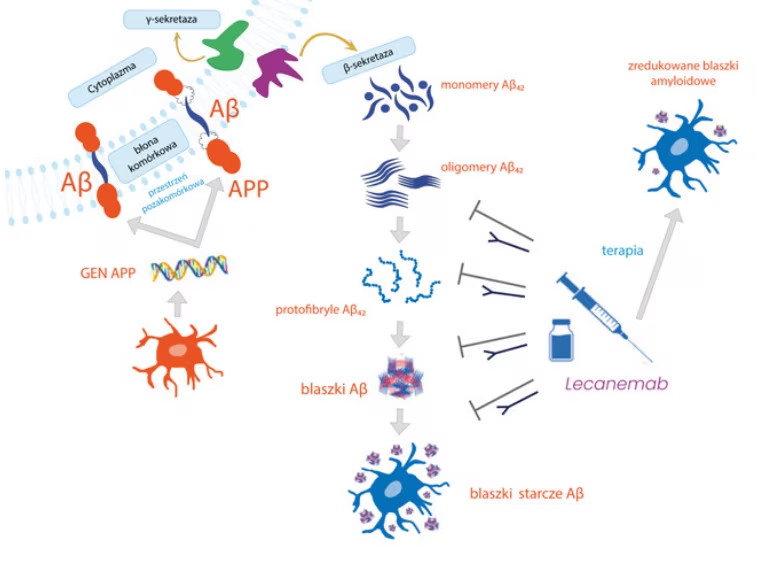
This medicine is classified as one of the so-called amyloid-targeting therapies (ATT), and its mechanism of action therefore targets the cause of the disease in question. The IgG1 monoclonal antibody, lecanemab, targets aggregated soluble and insoluble forms of beta-amyloid (Fig. 2), which are more toxic to nerve cells than monomers or insoluble fibrils. Lecanemab acts on soluble Aβ protofibrils, which are precursors of insoluble amyloid plaques. As a result of its action, it reduces Aβ plaques and clears deposits of this protein from the brains of patients. The mechanism of action of lecanemab is particularly valuable, as the accumulation of soluble and insoluble Aβ aggregates may initiate or exacerbate pathological processes in Alzheimer’s disease [15–17].
Dosage
The recommended dose of lecanemab is 10 mg/kg body weight, administered as an intravenous infusion once every two weeks. Treatment with Leqembi should be discontinued if the patient progresses to moderate Alzheimer’s disease. It is therefore recommended that a specialist carry out cognitive function tests and assess clinical symptoms approximately every 6 months during treatment with lecanemab. The results of these assessments, together with information regarding the severity of symptoms, should be used to assess whether the patient has progressed to moderate Alzheimer’s-type dementia and/or whether the clinical course may indicate that lecanemab has not been effective in the patient, and to decide whether treatment with lecanemab should be discontinued.
Initial state
The efficacy and safety of lecanemab
To confirm the efficacy and safety of lecanemab in patients with early-stage AD, the Clarity AD clinical trial was conducted; this was an 18-month (core study) multicentre, double-blind, placebo-controlled, parallel-group core study with an open-label extension (OLE). Recruited participants were randomised into two groups receiving either placebo or lecanemab (administered according to the following schedule: 10 mg/kg every two weeks). The trial included 1,795 participants from the Core phase and 1,612 participants who received at least one dose of lecanemab (Core + OLE). Safety assessment included monitoring of vital signs, physical examinations, adverse events, laboratory test results and electrocardiograms. Throughout the study, magnetic resonance imaging (MRI) was used to monitor the occurrence of amyloid-related imaging abnormalities (ARIA). The primary efficacy endpoint was the change in symptoms after 18 months, measured using the Clinical Dementia Rating-Sum-of-Boxes (CDR-SB) scale. The CDR-SB scale is used in patients to assess the severity of AD. It comprises questions that help determine the extent to which the patient’s daily life has been affected by cognitive impairment. The scale ranges from 0 to 18, with higher scores indicating greater impairment [18].
In the Clarity AD trial, the change from baseline in the primary outcome—the Clinical Dementia Rating-Sum-of-Boxes (CDR-SB) was smaller for lecanemab than for placebo after 18 months of treatment, with all key secondary clinical endpoints supporting the primary outcome [18]. Data from Eisai’s global, placebo-controlled, double-blind, parallel-group, randomised phase 3 Phase 3 clinical trial, ‘Clarity AD’, conducted by Eisai, showed that Leqembi slows the decline in cognitive function in patients with early-stage Alzheimer’s disease compared with placebo [18]. In contrast to the controversial Phase 3 clinical trial of aducanumab, the Phase 3 trial of lecanemab clearly demonstrated its efficacy in slowing cognitive decline. Lecanemab binds to small protofibrils with 100 times greater affinity than aducanumab and to large protofibrils with 25 times greater affinity. It exhibits significantly lower affinity for monomers [19–21]. Furthermore, subsequent studies have shown that lecanemab is also effective in prolonging the duration of MCI, thereby slowing the progression of AD [19–22].
A second extremely important issue is the safety of this medicine. ARIA are among the most common adverse reactions to lekanemab. Cerebral oedema (ARIA-E) occurred in 12.6% and 1.7% of trial participants, respectively. Other adverse effects reported by patients included headaches (11.1% in the lekanemab group versus 8.1% in the placebo group) and falls (10.4% versus 9.6%). In the vast majority of cases, cerebral oedema was mild or moderate (91%), was asymptomatic (78%), occurred within the first three months of treatment (71 per cent) and resolved within four months of detection (81 per cent). Symptomatic ARIA-E was reported in 2.8% of patients receiving lecanemab; the most commonly reported symptoms were headache, visual disturbances and confusion. Haemorrhages were reported in 17.3% of patients receiving lecanemab and in 9% of those receiving placebo. The incidence of isolated cases of ARIA-H (limited to haemorrhage) was 8.9% in the lecanemab group and 7.8% in the placebo group, with dizziness being the predominant clinical symptom [23].
In the case of this molecule, the occurrence of ARIA-E is dose-dependent. Furthermore, the increased incidence is directly linked to the ε4 allele of the ApoE gene, a pattern similar to that observed with bapineuzumab, donanemab, gantenerumab and aducanumab. It is recommended that clinicians exercise heightened clinical vigilance for ARIA during the first 14 weeks of anti-amyloid therapy. Detailed guidance on monitoring is provided in the approved product information (Summary of Product Characteristics, patient information leaflet) for lecanemab [23]. An MRI scan should be performed prior to the 5th, 7th and 14th infusions. As indicated in the Summary of Product Characteristics (SmPC) and patient information leaflet for lecanemab, if a participant presents with symptoms suggestive of ARIA, a clinical assessment should be carried out, including an MRI scan if indicated. Although ARIA-E is most likely to occur early in the course of treatment, late-onset events may also occur; therefore, vigilance is always recommended should any suspicious symptoms arise during treatment. As intracerebral haemorrhage has been observed in participants receiving lecanemab, extra caution should be exercised when considering the use of lecanemab with anticoagulants or thrombolytic agents [18]. Leqembi is contraindicated in patients with hypersensitivity to the active substance or excipients, as well as in patients with coagulation disorders that are not adequately controlled. Furthermore, this treatment is contraindicated if, prior to treatment, an MRI scan reveals a previous intracerebral haemorrhage, more than four microhaemorrhages, superficial siderosis or vasomotor oedema, or other symptoms suggestive of cerebral amyloid angiopathy [15].
In the Phase 3 clinical trial, lecanemab was generally well tolerated by the patients enrolled in the study, and the most common adverse reactions were infusion-related reactions, ARIA-H and ARIA-E. It should be emphasised that, with careful selection of patients with MCI or mild Alzheimer’s dementia for amyloid-targeted therapy, and with appropriate monitoring during treatment, the risk of ARIA-type changes can be predicted and adequately managed. Proper patient selection, based, amongst other things, on an analysis of genetic factors (including the presence of the ApoE ε4 allele) and the results of advanced neuroimaging studies, significantly reduces the risk of complications associated with the use of lecanemab, thereby enhancing the safety profile of this therapy.
Summary
A Phase 3 trial has shown that lecanemab slows the progression of mild cognitive impairment caused by AD and early-stage Alzheimer’s dementia by 27 per cent. Consequently, the European Commission’s decision has made lecanemab the first treatment option in the European Union aimed at slowing the progression of early-stage AD. Although this medicine does not offer a complete cure for AD, it should be borne in mind that lecanemab, as an ATT therapy, delays the progression of the disease’s symptoms by approximately 2–3 years. This landmark decision to authorise the marketing of lecanemab within the EU – the first medicine to act directly on the cause of AD – offers patients great hope of slowing the progression of the disease. This represents a landmark stage in the process of making the treatment available to patients who meet the eligibility criteria [15–17].
Although the use of lecanemab carries certain risks, these can be significantly reduced through the use of modern diagnostic methods, including neuroimaging and genetic testing. In particular, it is essential to test for the apolipoprotein E4 (ApoE4) gene variant and to perform magnetic resonance imaging to assess the presence of intracerebral haemorrhages. Undoubtedly, a key element of treatment is ensuring that the healthcare system is adequately prepared to implement early diagnosis strategies. In view of the above, it is necessary to develop and implement a comprehensive, wide-ranging diagnostic programme that would enable the diagnosis of early-stage Alzheimer’s dementia and pre-dementia conditions (i.e. MCI) at the outpatient stage. The implementation of a national programme to combat dementia, aimed at standardising educational, preventive and therapeutic measures, may lead to the intensification of these objectives. According to announcements by the Ministry of Health, it is due to be adopted and officially published in 2025.
References
- Website: https://www.who.int/news-room/fact-sheets/detail/ageing-and-health (accessed on 31 May 2025).
- Wyszkowska D, Gabińska M, Romańska S. Central Statistical Office, Statistical Office in Białystok. The situation of older people in Poland in 2023. Warsaw, Białystok: 2024, p. 10.
- Parnowski T, Borzym A, Broczek K, Mastalerz-Migas A, Szafrański T. Recommendations for GPs on the management of agitation in patients with dementia. Lekarz POZ. 2018;4:239–
- Bugaj A, Jermakow N. The mechanisms underlying Alzheimer’s disease. Neuropsychiatry and Neuropsychology. 2016;11(3):85–92.
- Barczak A. Age-related cognitive decline. Postgraduate Medicine (Geriatrics). 2023;1:1–
- Murman DL. The Impact of Age on Cognition. Semin Hear. 2015;36(3):111–21.
- Klimkowicz-Mrowiec, A. Treatment of Alzheimer’s disease. Neurological News. 2023;23(4):145–150.
- Barczak A. Early diagnosis of Alzheimer’s disease – guidance for GPs. GP. 2022;1:57–
- 2024 Alzheimer’s disease facts and figures. Alzheimers Dement. 2024;20(5):3708–3821.
- Zarębski Ł, Wrzos A, Sowa-Kućama M. How do neurons control brain activity? The significance of dynamic changes in the excitatory glutamatergic synapse. Wszechświat. 2020;vol. 121 (no. 4–6):127–
- Pannese E. Morphological changes in nerve cells during normal ageing. Brain Struct Funct. 2011;216(2):85–89.
- Morrison JH, Hof PR. Life and death of neurons in the ageing brain. Science. 1997;278(5337):412–419.
- Terry RD, Masliah E, Salmon DP, et al. The physical basis of cognitive alterations in Alzheimer’s disease: synapse loss is the major correlate of cognitive impairment. Ann Neurol. 1991;30(4):572–580.
- Masliah E, Mallory M, Hansen L, DeTeresa R, Terry R D. Quantitative synaptic alterations in the human neocortex during normal ageing. Neurology. 1993;43(1):192–197.
- Leqembi Summary of Product Characteristics, 2025 (https://www.ema.europa.eu/en/medicines/human/EPAR/leqembi).
- Website: Termedia – https://www.termedia.pl/neurologia/Pierwszy-lek-na-alzheimera-dopuszczony-do-obrotu-przez-KE,61376.html (accessed 1 June 2025).
- Honig L, Sabbagh M, van Dyck C, Sperling R, Hersch S, Matta A., et al. Updated safety results from the phase 3 lecanemab study in early-stage Alzheimer’s disease. Alzheimers Res Ther. 2024; 10;16(1):105.
- Honig LS, Sabbagh MN, van Dyck CH, Sperling RA, Hersch S, Matta A. et al. Updated safety results from the phase 3 lecanemab study in early-stage Alzheimer’s disease. Alzheimers Res Ther. 2024; 10;16(1):105. doi: 10.1186/s13195-024-01441-8.
- Khartabil N, Awaness A. Targeting Amyloid Pathology in Early Alzheimer’s: The Promise of Donanemab-Azbt. Pharmacy. 2025;13:23.
- Yang Y, Qiu L. Research Progress on the Pathogenesis, Diagnosis and Drug Therapy of Alzheimer’s Disease. Brain Sci. 2024, 14(6); 590.
- Chowdhury S, Chowdhury NS. The novel anti-amyloid-beta (Aβ) monoclonal antibody lecanemab for Alzheimer’s disease: A systematic review. J. Immunopathol. Pharmacol. 2023;37: 03946320231209839.
- Monfared, AAT, Tafazzoli A, Ye W, Chavan A, Zhang Q. Long-Term Health Outcomes of Lecanemab in Patients with Early-Onset Alzheimer’s Disease Using Simulation Modelling. Ther. 2022;11(2):863–880.
- van Dyck CH, Swanson CJ, Aisen P. et al. Lecanemab in early-stage Alzheimer’s disease. N Engl J Med. 2023;388:9–21.
- Website: https://www.termedia.pl/neurologia/Potrzebny-system-wczesnego-wykrywania-zaburzen-pamieci,58892.html (accessed on 1 June 2025).
- Figure created using: https://BioRender.com.
- Javaid SF, Giebel C, Khan MA and Hashim MJ. Epidemiology of Alzheimer’s disease and other dementias: a rising global burden and projected trends. F1000Research. 2021;10:425.